Future we want to fully realize

Future we want to fully realize
A positive world that achieve Beyond Zero—that is what we want to build for people living now, and the children who have right to thrive in future.
Providing positive environmental value to customers and society that extends beyond just a zero negative impact from the company’s own business activities.
Shimizu group will create a wealth of environmental value through innovation approaching from the three perspectives of “zero – carbon society”,
a “material circulation society”, and a “society that coexists harmoniously with nature”.

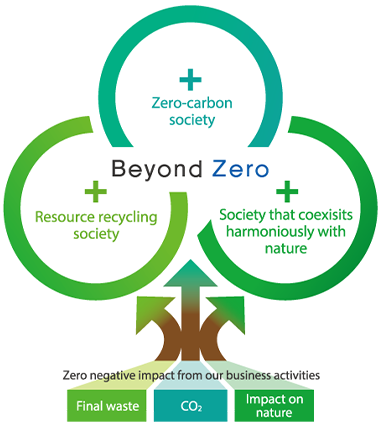
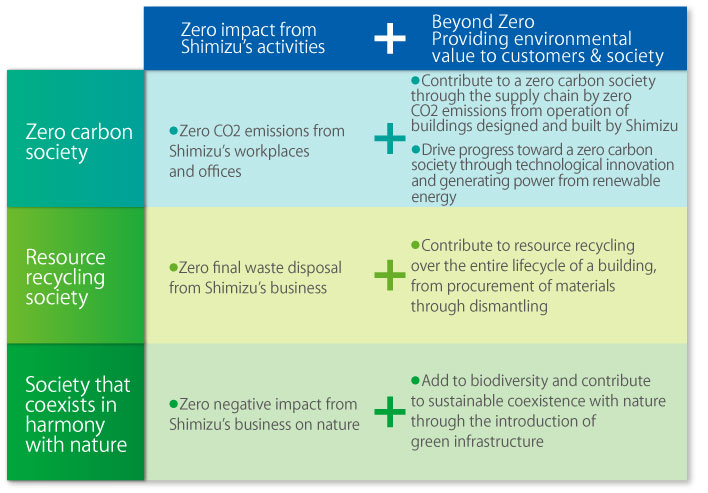
Shimizu group is not just questioning ourselves whether we can or cannot, we are committing ourselves to must achieve net zero emissions, a final waste zero, and zero negative impact on the environment in 2050.
We move steadily toward “Beyond” by back-casting from its view of ‘the future ahead’ in conceiving what action we must take by 2040 and 2030.
We take it granted to reduce CO2 emissions from all of our own business activities to Zero, in 2050.
We contribute to a zero-carbon society through the supply chain by zero CO2 emissions from operation of buildings designed and built by Shimizu, and drive progress toward a zero-carbon society through technological innovation and generating power from renewable energy.
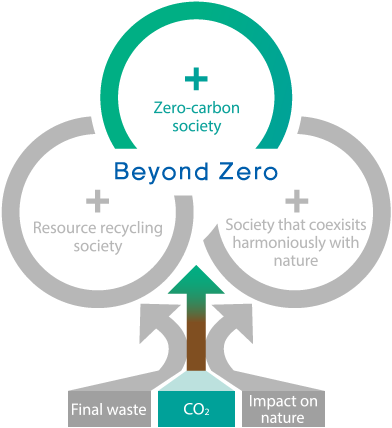
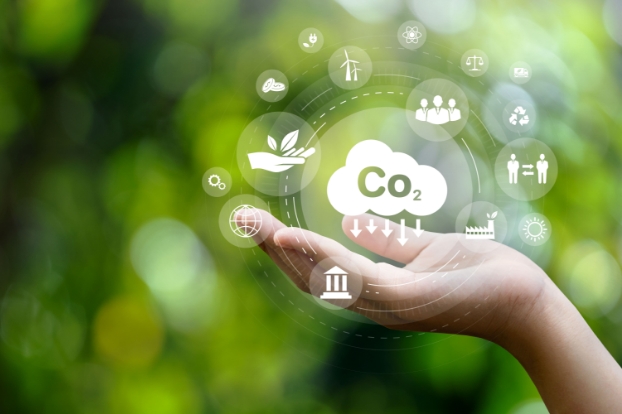
The composition of CO2 emissions is 6% for Scope 1 and 2 and 94% for Scope 3. Within Scope 3, emissions from upstream material manufacturing (Category 1) and downstream building operation (Category 11) account for roughly equal shares.
In Scope 1 and 2, emissions during construction are the largest component, accounting for about 70%.

To realize SHIMZ Beyond Zero 2050, we have defined the areas to be addressed under three categories: “Scope 1” for Zero, and “Scope 3 (mainly Categories 1 and 11)” and “contributions to emissions reduction” for Beyond.

Shimizu recognizes the impacts from climate change on our businesses as an important management issue, and has determined that the disclosure of related information is essential from the perspective of sustainability. We endorsed the TCFD recommendations and joined the TCFD Consortium in October 2019, and disclosed climate-related information in line with the recommendations from 2020.
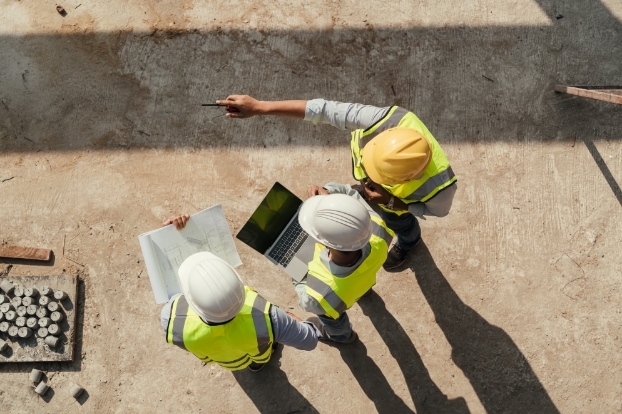
We are working to reduce CO2 emissions at construction sites. For example, we are promoting initiatives such as replacing diesel fuel used in construction machinery with biodiesel fuel and gradually advancing the electrification of construction machinery.
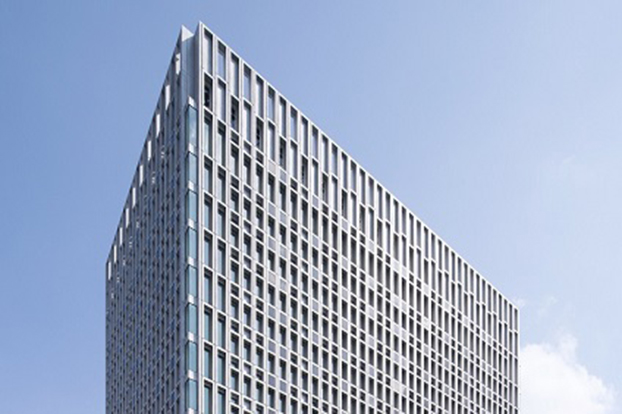
We switched Head Office’s commercial electricity to Aqua Premium green hydroelectric power provided by TEPCO Energy Partner, Inc. as part of our efforts to reduce CO2 emissions from our own facilities.
Shimizu set four goals of introducing renewable energy, reducing CO2 emissions, acquiring environment certifications, and public disclosure of energy usage and other information for our properties in the Investment and Development business. This will contribute to achieving zero carbon communities through our supply chain. Shimizu is also expanding the Green Property +® series, our leasing properties equipped with renewable energy and advanced energy-saving performance.
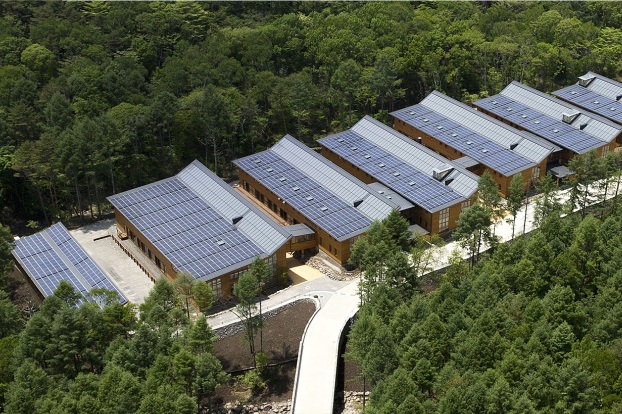
Through thorough energy conservation and new initiatives for energy creation and energy storage, we continue to pursue the realization of ZEB.
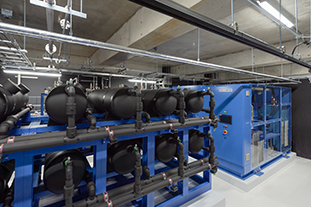
It makes it possible to conserve energy without wasting any electricity by generating, storing and using the ultimate green energy, Hydrogen.
Hydro Q-BiC® was also introduced in Shimizu’s new Hokuriku Branch office building.
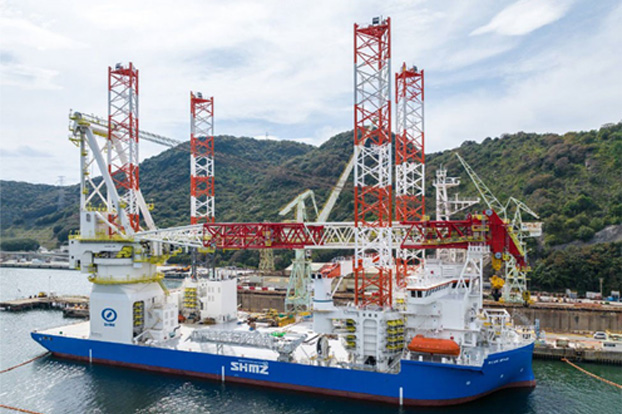
The construction of the wind turbine installation vessel "BLUE WIND" is completed. We aim to be a major player by steadily capturing the construction demand that is expected to come into full swing both in Japan and overseas in the future.
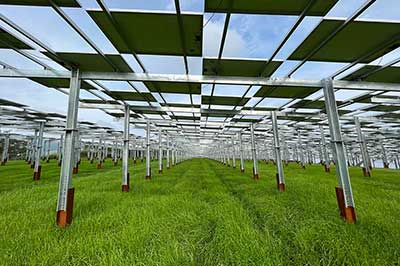
We promote solar, biomass, hydro, wind, geothermal, and other power generation projects throughout Japan. We will meet the demand for decarbonization to realize a sustainable society by expanding the use of renewable energy and providing procurement services for electricity with high environmental value.
As a member of the Shimizu Group Company, Smart Eco Energy contributes to achieve a sustainable future society through its business of electricity retailing and environmental solutions.
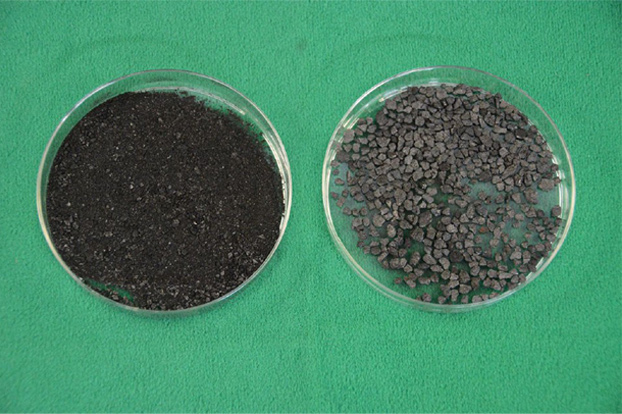
We have developed environmentally friendly concrete that sequesters carbon by mixing biochar, that is, carbonized woody biomass, into it.
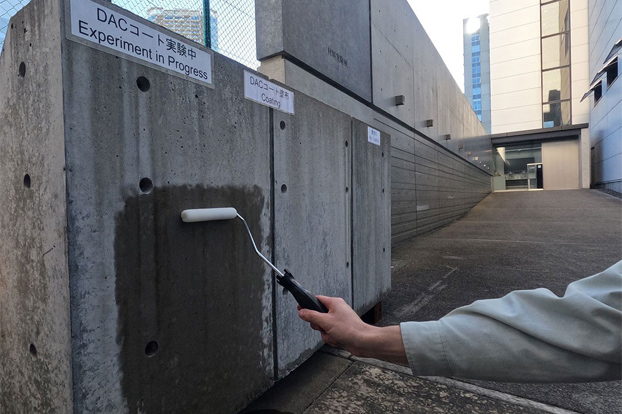
Applied to the surface of a concrete structure, DAC Coating increases its atmospheric CO2 absorption and fixation by more than 1.5 times. It also prevents corrosion, helping to extend the lifespan of the structure.
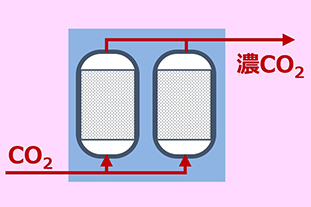
“Integrated Electrochemical Systems for Scalable CO2 Conversion to Chemical Feedstocks” Selected for Moonshot Research and Development Program by NEDO.
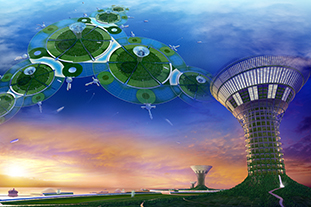
The concept: an artificial island, floating in the Pacific Ocean right on the equator. We are proposing projects aimed at developing carbon-negative cities by using CO2 recovery and ocean CO2 sequestration technology in addition to being self-sufficient in food, and waste material recycling and 100% renewable energy.
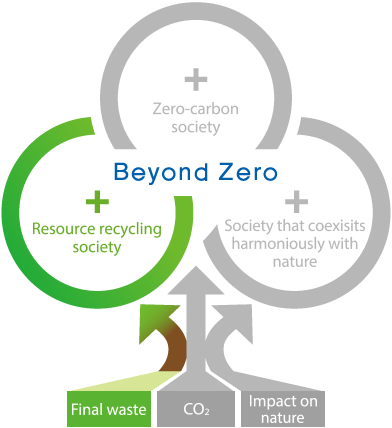

To realize SHIMZ Beyond Zero 2050, we have defined the areas to be addressed under three categories: “construction, operation, and demolition” for Zero, and “design and procurement” and “forest circulation” for Beyond.
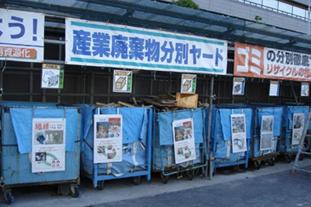
Reducing the volume of construction by-products and turning them into recycled resources are important mission demanded of construction companies. This is an introduction to Shimizu’s initiatives thus far.
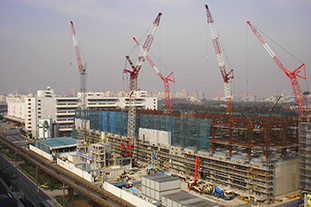
The concrete recycling system is a system for recycling 100% of the concrete to structural material from dismantled buildings.
In 2020, we began a collaborative project with a university and a manufacturer to establish a feasible method of producing concrete that captures and sequesters atmospheric CO2.
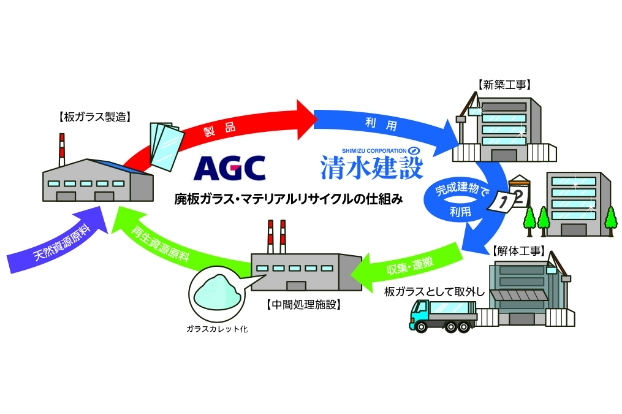
As part of our efforts to realize a resource recycling society, we have achieved material recycling in which waste sheet glass generated from the demolition of super high-rise buildings is recycled as a raw material for glass products.
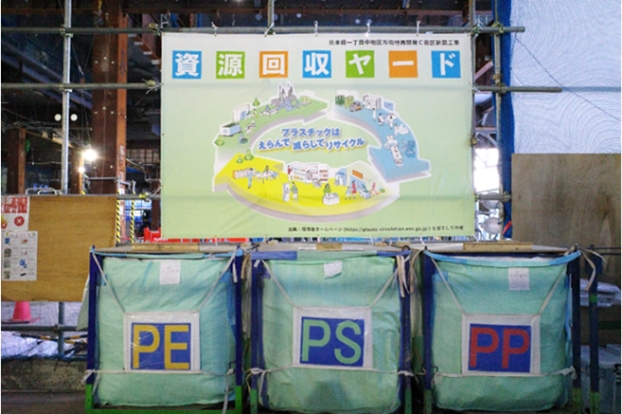
We have established a material recycling scheme in which plastic waste generated at construction sites is highly sorted on-site by resin type and sold as recyclable materials with market value.
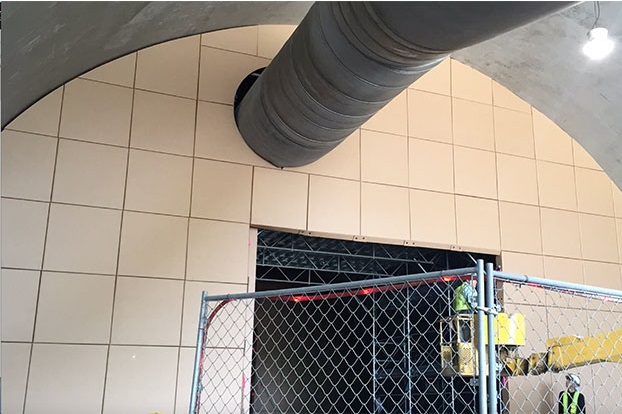
KAMIWAZA is a solution for temporary construction materials at civil engineering sites that uses paper materials from wastepaper and pulps. It was jointly developed with Oji Holdings Corporation.
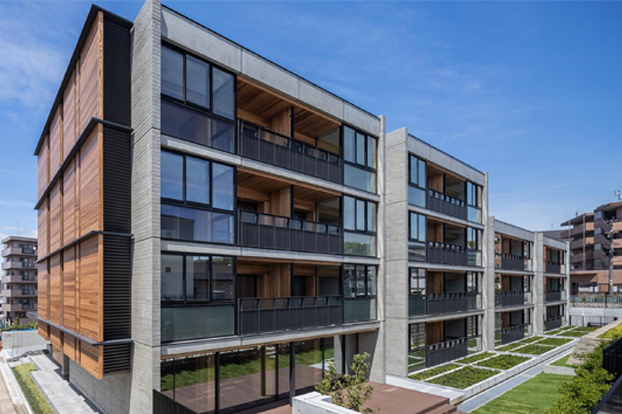
Enhancing the use of wood becomes increasingly important in terms of forest regeneration, CO2 emissions reductions and revitalization of regional economy. We are actively involved in developing technologies that make it possible to build large-scale structures out of wood and woody materials.
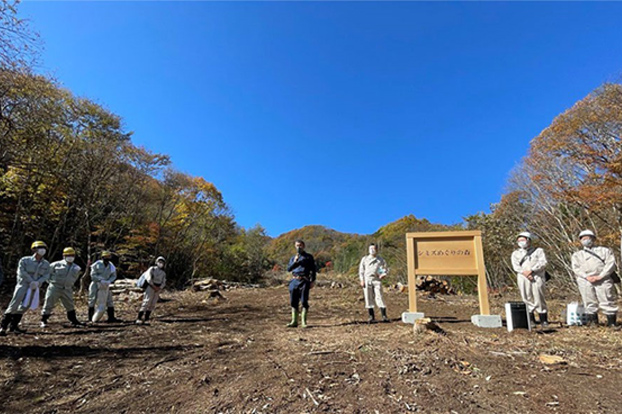
Aiming to promote circular use of timber by having timber users themselves take the initiative in restoring forest resources, we have leased forest areas in Kawaba Village, Gunma Prefecture (3 ha), and Gujo City, Gifu Prefecture (3.8 ha) and are working to cultivate forests that will produce timber used in our own business operations.
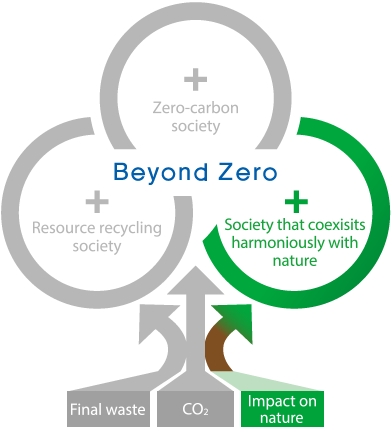

To realize SHIMZ Beyond Zero 2050, we have defined the areas to be addressed under three categories: “Our Activities” for Zero, and “Delivering Value to Customers and Society” for Beyond.
Shimizu formulated the Shimizu Biodiversity Guidelines in 2009. We aim to preserve biodiversity and take the initiative on co-existing harmoniously with nature in all business areas to contribute to the realization of a sustainable society and pass the blessings and cultural value of biodiversity on to the next generation.
Our group views nature-related impacts as a critical management issue, just as we do climate change. After endorsing the TNFD recommendations in February 2023, the Company has announced early adoption. as a TNFD Early Adopter in January 2024.
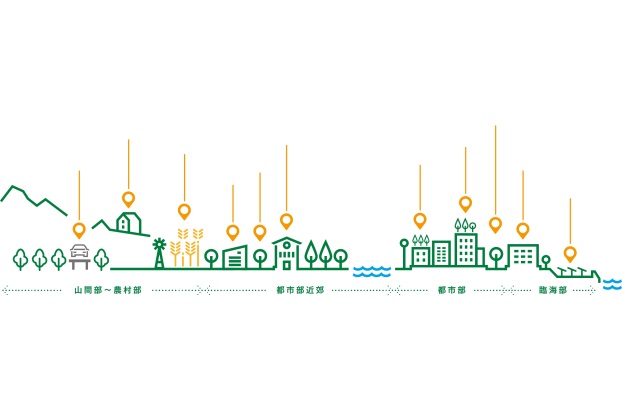
Green infrastructure + (PLUS) is a concept that adds the idea and practice of restoring the rich benefits of nature to cities and regions while making a greater contribution to preserve and restore natural ecosystem.
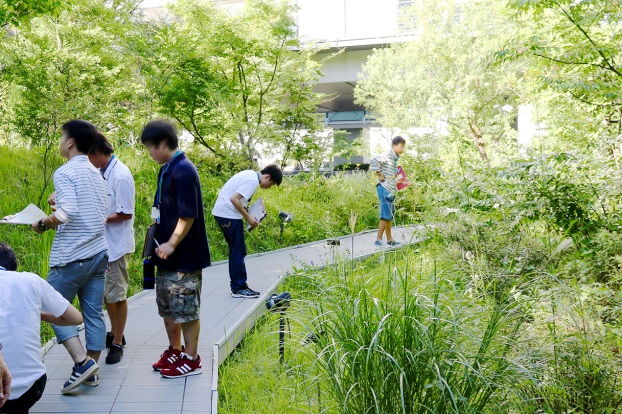
Saisei-no-Mori Biotope provides proof of ecosystem restoration. We prepared a space to contribute to biodiversity and have been monitoring it for more than a decade.
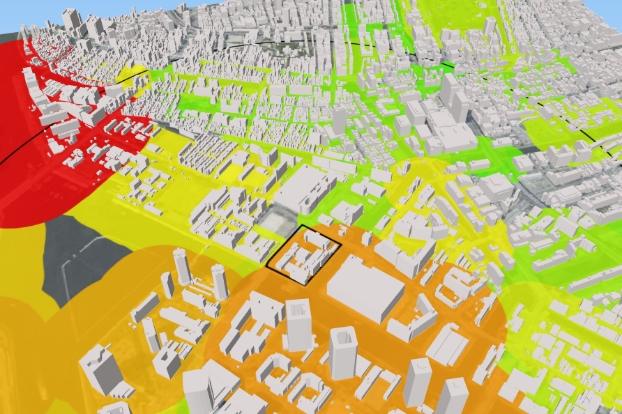
We develop and put to practical use the UE-Net (Urban Ecological Network). This is a simulation system which supports the formulation of development plans taking into consideration biodiversity in urban areas.
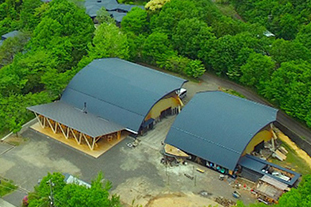
Copy right : Gifu Academy of Forest Science and Culture
Shimizu aims to create a sustainable society starting in the forest, through collaboration with the Gifu Academy of Forest Science and Culture.
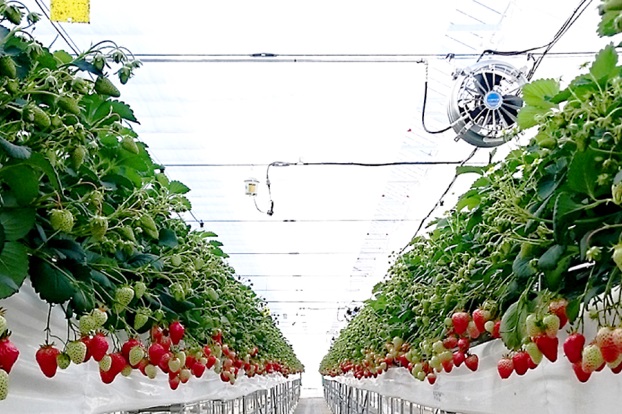
Shimizu is accumulating expertise in next-generation agriculture and link to preserve agricultural areas through our farming in large-scale facility.
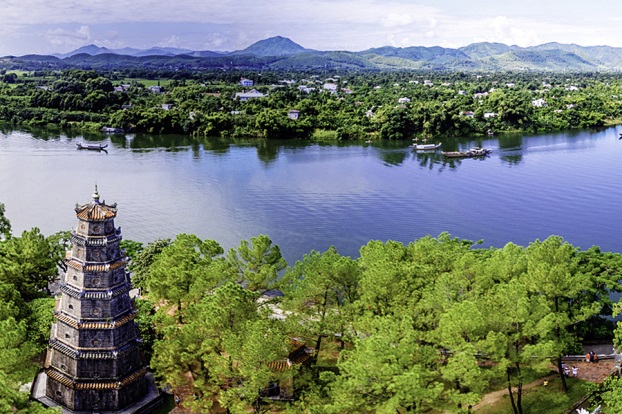
Shimizu works on soil remediation defoliated by the U.S. military during the Vietnam War, which still causes serious damage to people’s health.