


-
October 5, 2026IR News
-
September 25, 2026IR News
-
September 24, 2026IR News
-
IR News
-
IR News
-
IR News
-
IR News
-
September 16, 2026News Release
-
July 8, 2026News Release
-
June 10, 2026News Release
-
December 4, 2025Sustainability
-
September 26, 2025Sustainability
-
November 1, 2024Sustainability
Recommended Contents





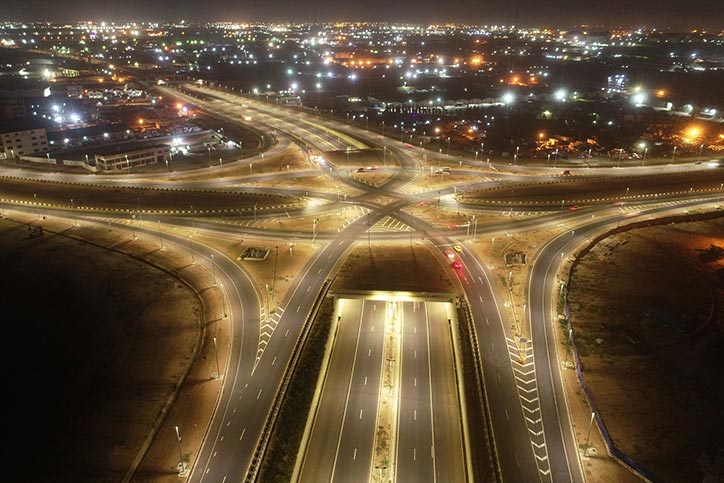
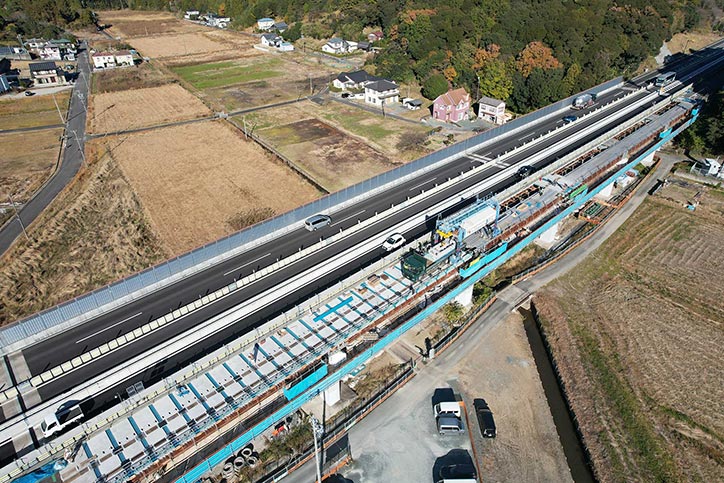
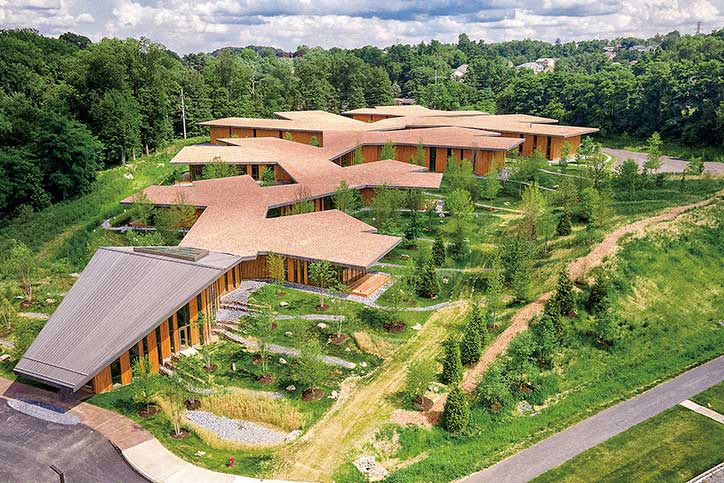

The Shimizu Group is committed to creating value that is ahead of its time, through constant self-transformation,
challenging the ordinary, and co-creation with diverse business partners.
Through Smart Innovation, we aspire to contribute to a sustainable future where people can enjoy abundance and happiness.
Shimizu's Businesses
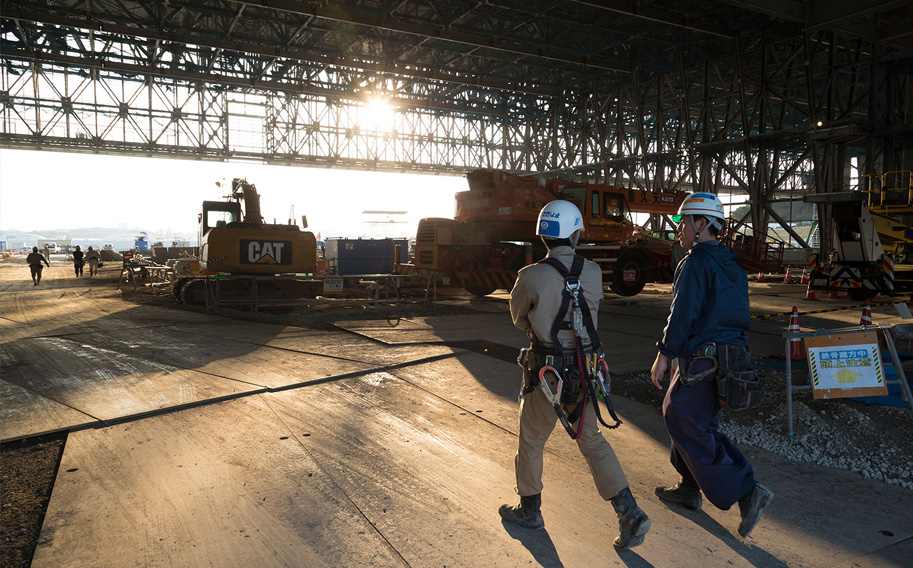
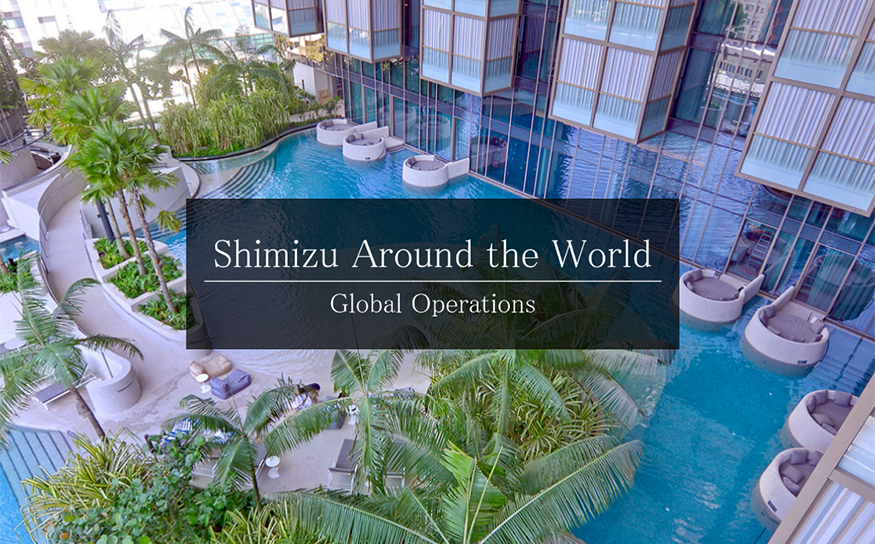
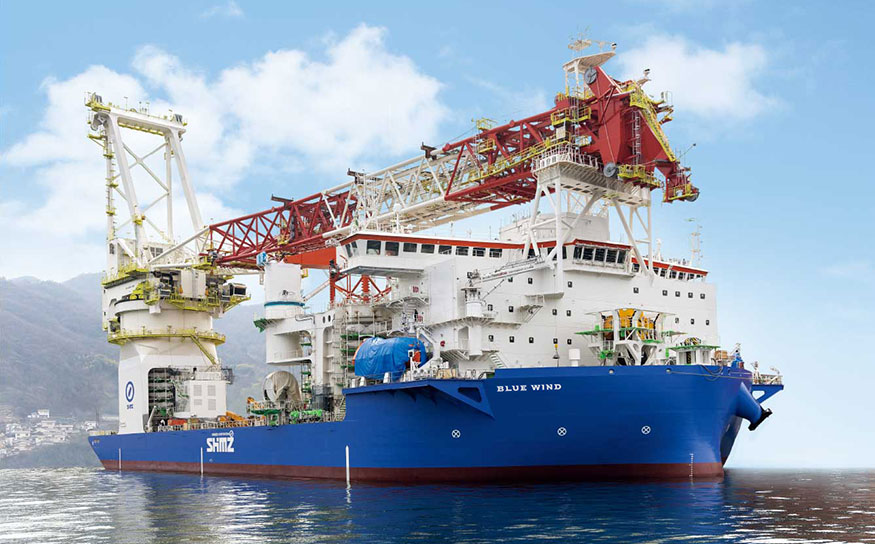
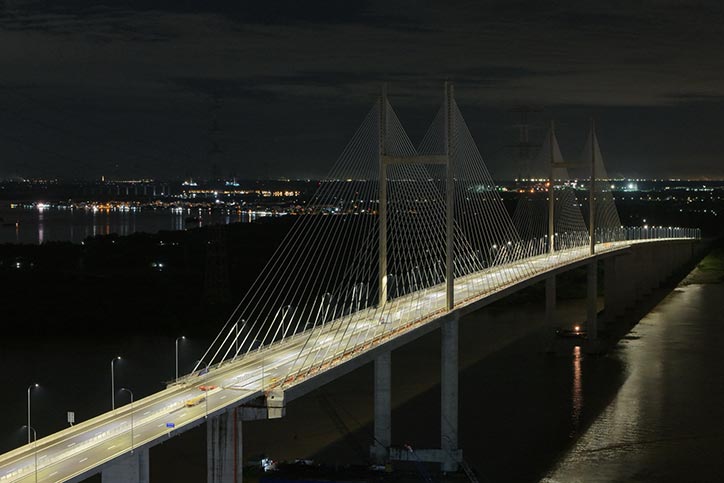
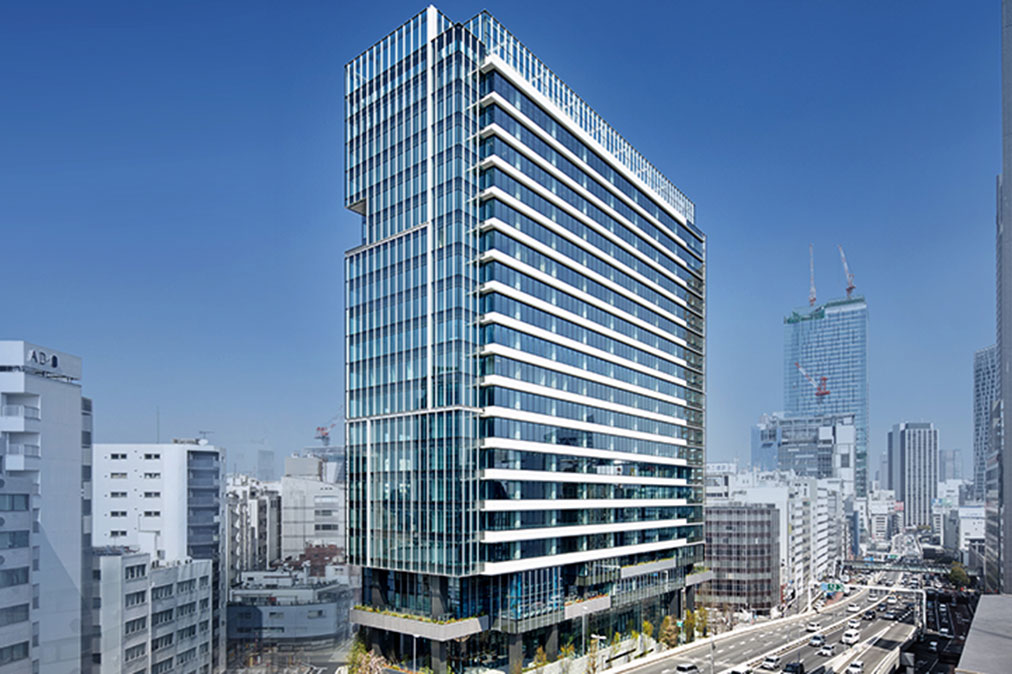
In addition to its core Construction Business (building construction, civil engineering, and overseas construction), Shimizu engages in five areas : The Real Estate Development, Engineering, Green Energy Development, Building Life Cycle, and Frontier businesses.


Shimizu's approach

Investor Relations



Our website uses cookies.
You can change the cookie settings in your browser settings at any time.By using this website, you are agreeing with our Cookie Policy.